Home › Guides › Cold Plunge Water Care: Ozone, Filtration and Changes
Cold Plunge Water Care: Ozone, Filtration and Changes
Cold water still grows biofilm. Here is what keeps a plunge clear for weeks instead of days.
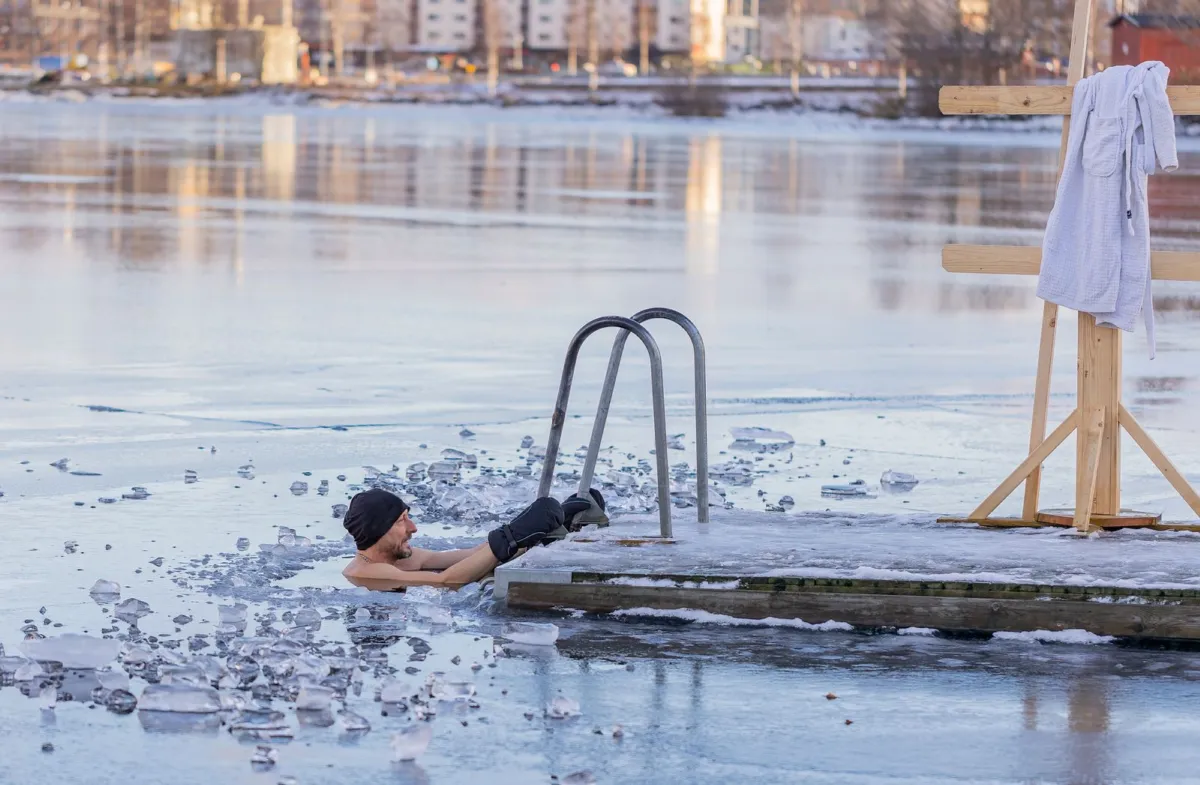
Cold slows bacteria, it does not stop them. Skin cells, oils and sweat feed biofilm, and a plunge with no water care turns cloudy fast. Three systems keep it clear.
Filtration
A pump pushing water through a cartridge filter pulls out the particulates you shed each session. It is the baseline. Many all-in-one units bundle it with the chiller; a DIY build adds an inline filter. You can see which chillers include filtration in the chiller database.
Ozone
An ozone generator doses the water with O3, which oxidises contaminants and then reverts to oxygen, leaving no chemical residue. It is the most popular sanitiser for plunges because it keeps water fresh without the smell or skin feel of chlorine. Ozone plus filtration is the combination that stretches a fill to several weeks.
Circulation
Stagnant water is the enemy. Even between plunges, periodic circulation through the filter and ozone keeps everything mixed and treated. Most integrated systems run a scheduled cycle.
When to change it
Even with ozone and filtration, drain and refill periodically, every few weeks for a shared or heavily used tub, longer for a covered single-user one. Keep it covered when idle: a cover blocks debris and cuts the chiller’s workload, which also lowers running cost. Sizing that chiller correctly starts with the chiller calculator.
FAQ
How do you keep cold plunge water clean?
Filtration to remove particulates, ozone to sanitise without chemical residue, and regular circulation. Cover the tub when idle and still drain and refill every few weeks.
Is ozone or chlorine better for a cold plunge?
Most people use ozone: it oxidises contaminants and reverts to oxygen, leaving no smell or skin residue. Pair it with filtration for the longest time between water changes.