Home › Guides › Outdoor vs Indoor Sauna: What Actually Changes
Outdoor vs Indoor Sauna: What Actually Changes
An outdoor sauna is more than an indoor one moved outside. Four things change, and they change your budget.
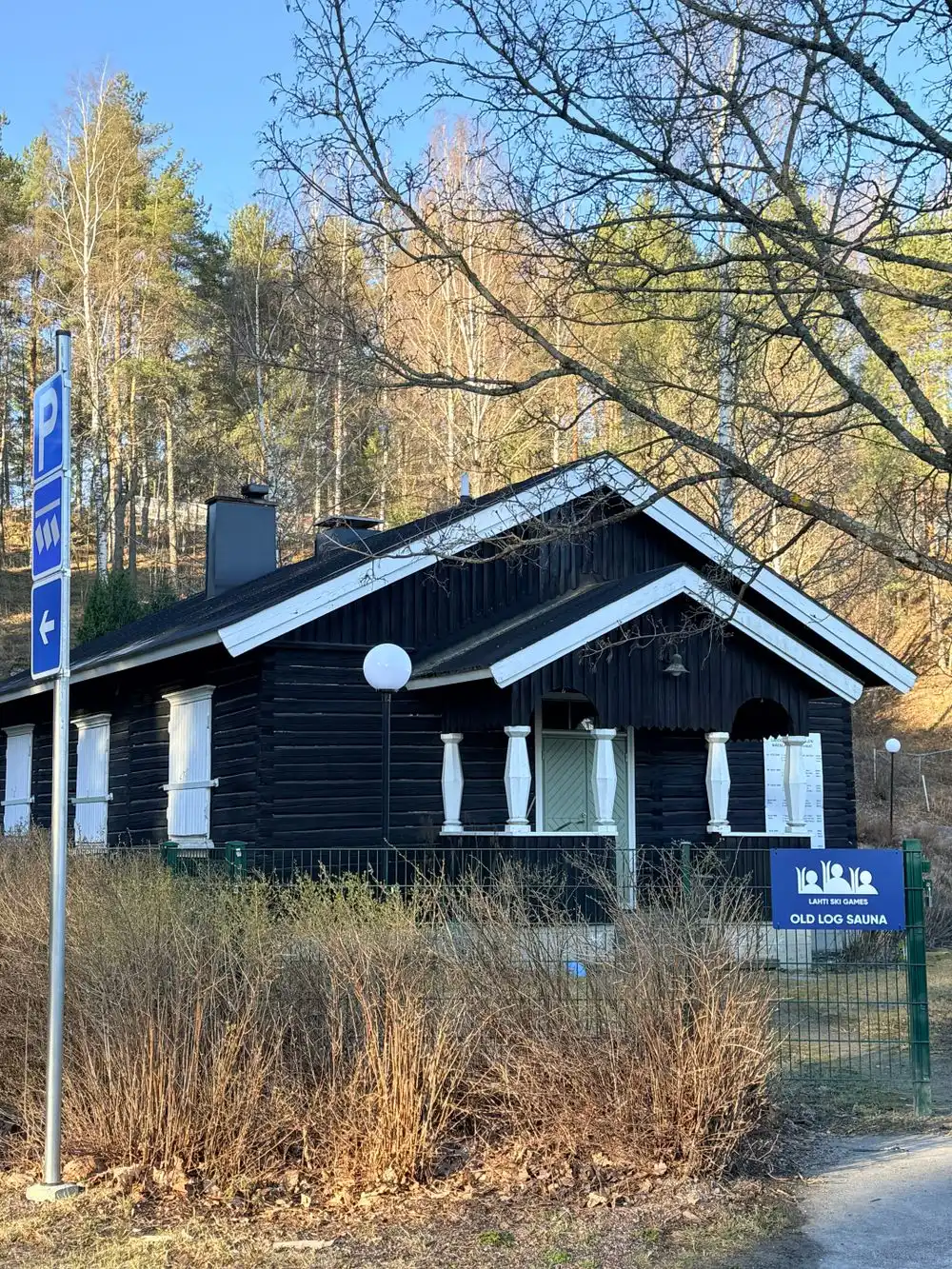
The romance of an outdoor sauna is real, and so are the extra costs. Here is what shifts once the room leaves the house.
1. Heater size
An outdoor room loses heat to cold surrounding air, so it needs more power for the same interior volume. Our sizing model adds about 20% to the requirement for an outdoor install, on top of any glass or uninsulated-wall corrections. A room that takes 6 kW indoors often wants 8 kW outdoors. Run your exact numbers in the heater-size calculator.
2. Wood and weathering
Outdoor cladding takes sun, rain and freeze-thaw. Thermally modified wood or cedar handle it far better than spruce; see the wood comparison. The exterior gets a rain screen and roof overhang the interior never needs.
3. Electrical run
The circuit usually travels farther, often in buried conduit, which means voltage drop matters. A long run can force a thicker wire gauge than the breaker alone would suggest. The electrical calculator upsizes the wire for your run length; a detached building may also need its own sub-panel and disconnect.
4. Foundation and drainage
Indoors you tie into existing floors and drains. Outdoors you need a level pad, gravel, pavers or a slab, and a plan for meltwater and wash-down to drain away from the structure.
None of this is a dealbreaker; it is just budget the brochures skip. Price it out with the cost-of-ownership guide.
FAQ
Does an outdoor sauna need a bigger heater?
Yes, plan on roughly 20% more kW than the same room indoors, because it loses heat to cold surrounding air. Add more for glass or uninsulated walls.
Can any sauna wood go outside?
No. Use thermally modified wood or cedar outdoors; spruce and untreated softwoods cup and grey. The exterior also needs a rain screen and overhang.